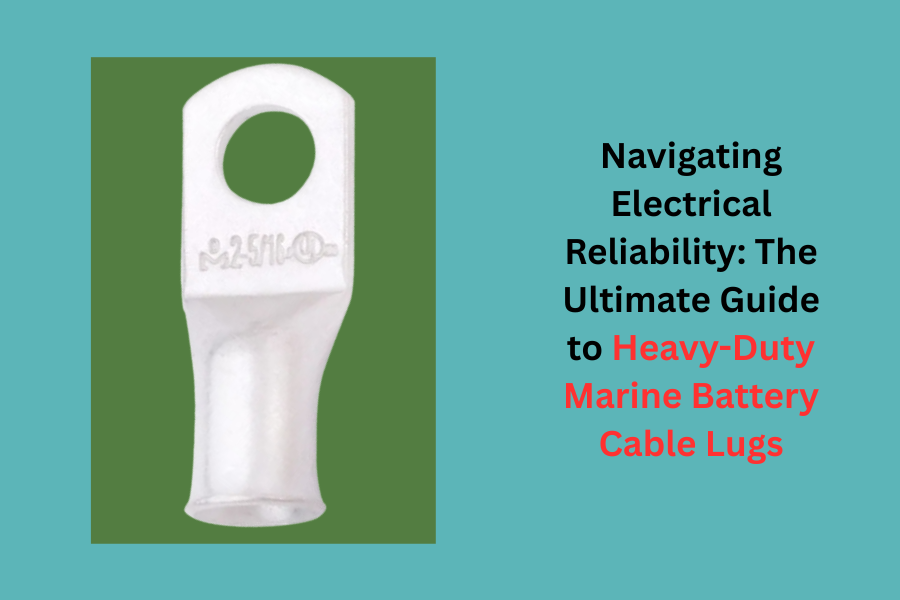
When it comes to outfitting or maintaining a boat, it is easy to get caught up in the excitement of high-tech chartplotters, powerful trolling motors, and premium sound systems. However, the most critical component of your vessel’s electrical system is one you rarely see: the humble cable lug.
In a marine environment, standard automotive electrical connectors simply won’t cut it. The combination of pounding waves, constant vibration, high humidity, and corrosive salt air creates a perfect storm for electrical failure. To ensure your boat starts every time and your onboard electronics function flawlessly, investing in heavy-duty Marine Battery Cable Lugs is non-negotiable.
Here is a deep dive into why these small components matter, how they safeguard your vessel, and what to look for when upgrading your marine electrical system.
The Marine Environment vs. Standard Electronics
Electricity and water are notorious enemies, but salt water elevates the danger significantly. Salt water acts as a powerful electrolyte, accelerating galvanic and atmospheric corrosion. When standard copper lugs are exposed to marine air, they quickly develop copper oxide—that dreaded green crust.
Copper oxide is a terrible conductor of electricity. As corrosion builds up inside a cable connection:
- Resistance increases, forcing your electrical system to work harder.
- Voltage drops occur, which can cause sensitive electronics like fishfinders and GPS units to glitch or shut down.
- Heat generates at the point of resistance, creating a serious fire hazard on a vessel made of fiberglass and wood.
This is why heavy-duty, purpose-built components are vital for securing your battery banks, inverters, and windlasses.
Why “Marine Grade” Matters: The Anatomy of a Superior Lug
To withstand the harsh realities of the open water, a connection point must be engineered differently. High-quality Marine Grade Tinned Copper Lugs are the industry gold standard for several distinct reasons.
1. 100% Pure Copper Construction
Cheap electrical connectors are often made of brass or inferior alloys blended with recycled metals. Marine-grade lugs are manufactured from 100% pure, seamless electrical-grade copper ($99.9\%$ purity). Copper offers the highest electrical conductivity of any non-precious metal, ensuring maximum current flow with minimal resistance. The seamless design means the barrel is a solid tube, preventing the lug from splitting open under heavy crimping pressure.
2. Electro-Tin Plating
The defining characteristic of a Marine Grade Tinned Copper Lug is its shiny, silver-colored exterior. This is achieved through a process called electro-tinning. The entire copper lug is plated with a micro-layer of pure tin. Tin is highly resistant to corrosion and tarnishing. By shielding the underlying copper from oxygen and moisture, tin plating completely halts the oxidation process, ensuring your connections remain clean and conductive for years.
3. Closed-End Design
Standard automotive lugs often feature an open-ended barrel where the wire is inserted. For boats, this is a recipe for disaster. Marine lugs utilize a closed-end (or blind-end) design. This solid barrier prevents moisture, water bilge, and humid air from wicking up into the strands of the battery cable, protecting the integrity of the copper wire from the inside out.
| Feature | Standard Automotive Lugs | Heavy-Duty Marine Lugs |
|---|---|---|
| Material | Bare Copper or Brass Alloys | 100% Pure Seamless Copper |
| Coating | None (Bare Metal) | Electro-Tin Plated |
| Barrel Style | Open-End | Closed-End (Moisture Proof) |
| Vibration Resistance | Low to Moderate | Exceptionally High |
Selecting the Right Lug for Your Boat
Choosing the correct heavy-duty Marine Battery Cable Lugs requires matching the component to your specific cable size and post dimensions. Using the wrong size can lead to loose connections or poor crimps.
- Wire Gauge (AWG): Marine battery cables typically range from 8 AWG up to massive 4/0 (four-aught) cables for heavy-duty starting circuits and thrusters. Ensure the inner diameter of the lug’s barrel matches your wire gauge exactly (e.g., a 2/0 AWG wire requires a 2/0 AWG lug).
- Stud Size: The hole at the flat end of the lug must match the stud on your marine battery, busbar, or selector switch. Common marine stud sizes include #10, 1/4-inch, 5/16-inch, and 3/8-inch. A hole that is too large reduces surface contact, while a hole too small simply won’t fit.
Best Practices for Installation: Crimping vs. Soldering
Even the best Marine Grade Tinned Copper Lugs will fail if improperly installed. In the marine industry, proper mechanical crimping is widely considered the superior method for securing lugs to heavy-duty cables.
The ABYC Standard: The American Boat and Yacht Council (ABYC) advises against relying solely on solder for primary mechanical connections. Solder can make copper wire brittle, rendering it prone to snapping under the constant vibration of a boat hull. Furthermore, if a connection overheats due to an electrical fault, the solder can melt, causing the wire to fall away entirely.
Step-by-Step Marine Crimping Process:
- Strip the Wire: Strip away just enough insulation so the bare copper strands sit flush inside the lug’s closed barrel without leaving exposed wire outside.
- Use a Heavy-Duty Crimper: Use a professional hex-crimping tool or a heavy hammer-lug crimper. Avoid simple hand pliers. A proper crimp cold-welds the lug and wire together, eliminating air gaps.
- Seal with Heat Shrink: Slide an adhesive-lined (double-wall) polyolefin heat shrink tubing over the joint. When heated, the internal glue melts, creating a completely watertight, pressure-sealed barrier against salt water.
Final Thoughts: Peace of Mind on the Water
When you are miles offshore, your boat’s electrical system is your lifeline. From running bilge pumps in an emergency to cranking over a cold engine, you rely heavily on the integrity of your wiring.
Investing in heavy-duty Marine Battery Cable Lugs made from tinned copper might seem like a minor detail, but it is one of the most effective ways to prevent unexpected electrical failures. By opting for Marine Grade Tinned Copper Lugs, crimping them properly, and sealing them against the elements, you guarantee safe, efficient, and corrosion-free power for all your maritime adventures.