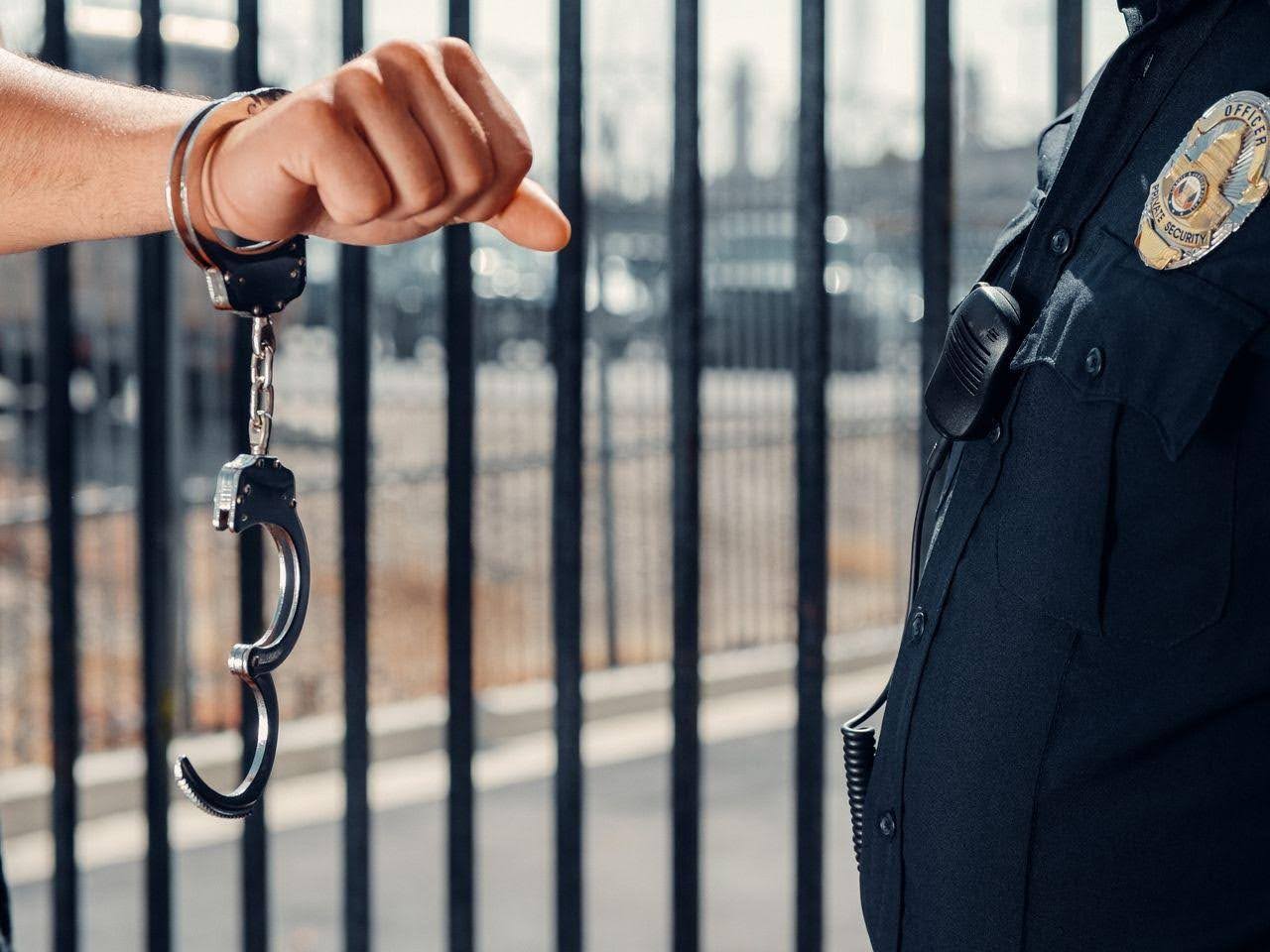
Crime scene reconstructions carry enormous weight in a courtroom. They tell a story, and that story can send someone to prison. The problem? Reconstructions are only as reliable as the methods, the documentation, and the objectivity behind them.
When any of those elements falter, the entire narrative becomes vulnerable. Knowing where to look is where a defense gains real traction. Here are six specific pressure points worth examining.
How a Police Expert Witness Exposes the Gap between Report and Evidence
Reports should reflect the evidence collected at the scene. When they don’t, that disconnect is a vulnerability worth pressing. A qualified police expert witness can compare what appears in the official report with what was actually collected, photographed, and catalogued.
Missing items, evidence referenced in the narrative but absent from the log, or photographs that contradict written descriptions are all signals that the analysis was built on shaky ground. Those gaps don’t just weaken a reconstruction. They suggest the foundation was incomplete before the theory was ever formed.
Expose Assumptions That Defy Physics or Logic
Reconstruction experts sometimes fill evidential voids with assumptions. When those assumptions violate basic physical principles, the entire theory deserves scrutiny. How fast was someone moving? At what angle did an object travel? What force was involved? These aren’t open to interpretation.
They have measurable answers, and when a reconstruction relies on scenarios that aren’t physically possible, an independent expert can explain that to a jury in plain terms. Science doesn’t bend to fit a narrative.
Flag the Danger of Absolute Certainty in Subjective Analysis
Bloodstain pattern analysis and trajectory reconstruction involve interpretation. Two qualified experts can examine the same scene and reach different conclusions. That’s not a failure of the discipline; it’s an honest reflection of how it works.
So when a prosecution expert testifies with zero uncertainty, that posture itself is worth questioning. Forensic disciplines operate within probabilities and documented methodologies, not absolutes. An expert who highlights that overconfidence can reshape how a jury weighs the testimony against the actual evidence.
When Forensic Conclusions Collapse Under Real Scrutiny
Some forensic conclusions sound authoritative until someone actually tests them. The questions worth asking: Was the expert’s theory reviewed against alternative explanations? Does the methodology have a documented error rate?
Were competing interpretations considered before the conclusion was reached? If the answer to any of those is no, the conclusion may look solid on paper but will struggle under cross-examination. That’s an opening a skilled defense expert can make significantly wider, without overstating anything.
Highlight When Witness Statements Overruled Physical Evidence
There is a clear hierarchy in forensic science: physical evidence outranks verbal accounts. When a reconstruction is built primarily around what a witness said, rather than what the scene itself reveals, the reasoning is backwards.
Physical evidence doesn’t forget, change its story under pressure, or misremember key details. Elevating a witness account above tangible forensic data is a methodological problem, especially when the physical evidence tells a different version of events entirely.