In modern agriculture, farmers rely on machines to make their work faster, easier, and more productive. One of the most useful tools in this process is augers. These simple yet powerful machines help move grains and other materials quickly from one place to another. By reducing manual work and saving time, augers play an important role in improving overall farm efficiency. They are widely used in harvesting, storage, and transport tasks, making them essential for today’s farming operations.
Role of Augers in Modern Farming
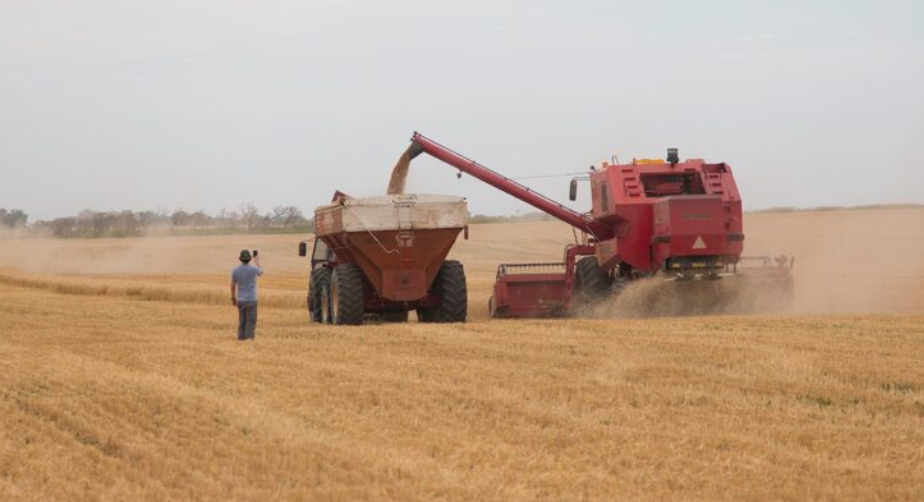
Augers are designed to move bulk materials such as grain, seeds, and fertilizer using a rotating screw mechanism inside a tube or open shaft. In farming, they are commonly used during harvest season to transfer crops from combines to storage bins or trucks. Instead of carrying heavy loads by hand or using slow methods, farmers can rely on augers to complete the task quickly and smoothly.
The use of augers also helps reduce delays during harvesting. When crops are ready, timing is very important because weather conditions can affect quality. With augers, farmers can move harvested grains efficiently, ensuring that nothing is wasted or left exposed for too long in the field.
Saving Time and Reducing Manual Labor
One of the biggest advantages of using augers is the significant reduction in manual labor. In the past, farm workers had to use buckets, sacks, or basic tools to move grain from one location to another. This process was not only slow but also physically tiring. Today, augers make this work much easier by automating the movement of materials.
Because augers can transport large amounts of grain in a short time, farmers can focus on other important tasks on the farm. This improves productivity and helps complete seasonal work more efficiently. It also reduces the need for extra labor, which can help lower operational costs for farmers. As a result, augers contribute to both time savings and better resource management on farms of all sizes.
Improving Grain Handling and Storage
Proper grain handling is essential for maintaining crop quality, and augers play a key role in this process. They help transfer grain smoothly into storage bins without causing damage. This is important because rough handling can reduce the quality and value of the harvested crop.
Augers also allow farmers to control the flow of grain, which helps prevent spillage and waste. Whether filling silos, loading trucks, or distributing seeds, augers ensure a steady and controlled movement. This level of precision is especially useful when dealing with large harvests, where even small losses can have a big impact on overall profit.
Conclusion
In conclusion, augers are an essential part of modern farming operations. They improve efficiency by saving time, reducing manual labor, and ensuring safe and smooth grain handling. With their ability to quickly move large quantities of material, augers help farmers complete tasks more effectively during critical farming periods. As agriculture continues to advance, the role of augers will remain important in supporting productivity and helping farms operate more smoothly and efficiently.